Embarking on a bathroom remodel is an exciting process that often involves making decisions about various design elements and fixtures.
One essential component in this journey is selecting the perfect sink that not only serves its primary purpose but also complements the overall aesthetic of the space.
With numerous options available in today’s market, it can be both overwhelming and challenging to identify which type of sink best aligns with one’s design preferences and functional needs.
To assist in making an informed choice, this article will delve into the diverse range of bathroom sinks, discussing their pros and cons, factors to consider when choosing a suitable fixture, materials for durability considerations, and tips for pairing with complementary faucets.
Innovative designs continue to emerge as manufacturers strive to meet evolving customer demands for unique styles while maintaining practicality within residential spaces.
This constant evolution has led to a plethora of choices encompassing different shapes, sizes, materials, and installation methods for bathroom sinks.
By examining each option carefully and considering how it integrates with other aspects of the remodel plan – such as cabinetry layout or storage solutions – homeowners are better equipped to make selections that not only enhance their bathrooms’ visual appeal but also maximize functionality.
The following sections will provide valuable insights into these critical factors while offering guidance on identifying the ideal sink style tailored specifically for each individual remodeling project.
The Ultimate Guide to Selecting the Perfect Toilet
Key Takeaways
- Consider factors such as bathroom size, budget, and personal style when choosing a sink type and material.
- Pair the sink with a complementary faucet by matching finishes, considering spout height and reach, and selecting a faucet that complements the sink’s shape and style.
- Additional considerations include energy efficiency, plumbing adjustments and modifications, low-maintenance materials, color coordination, and innovative features.
- Proper installation of the sink and faucet is crucial for longevity and durability.
Different Types of Bathroom Sinks
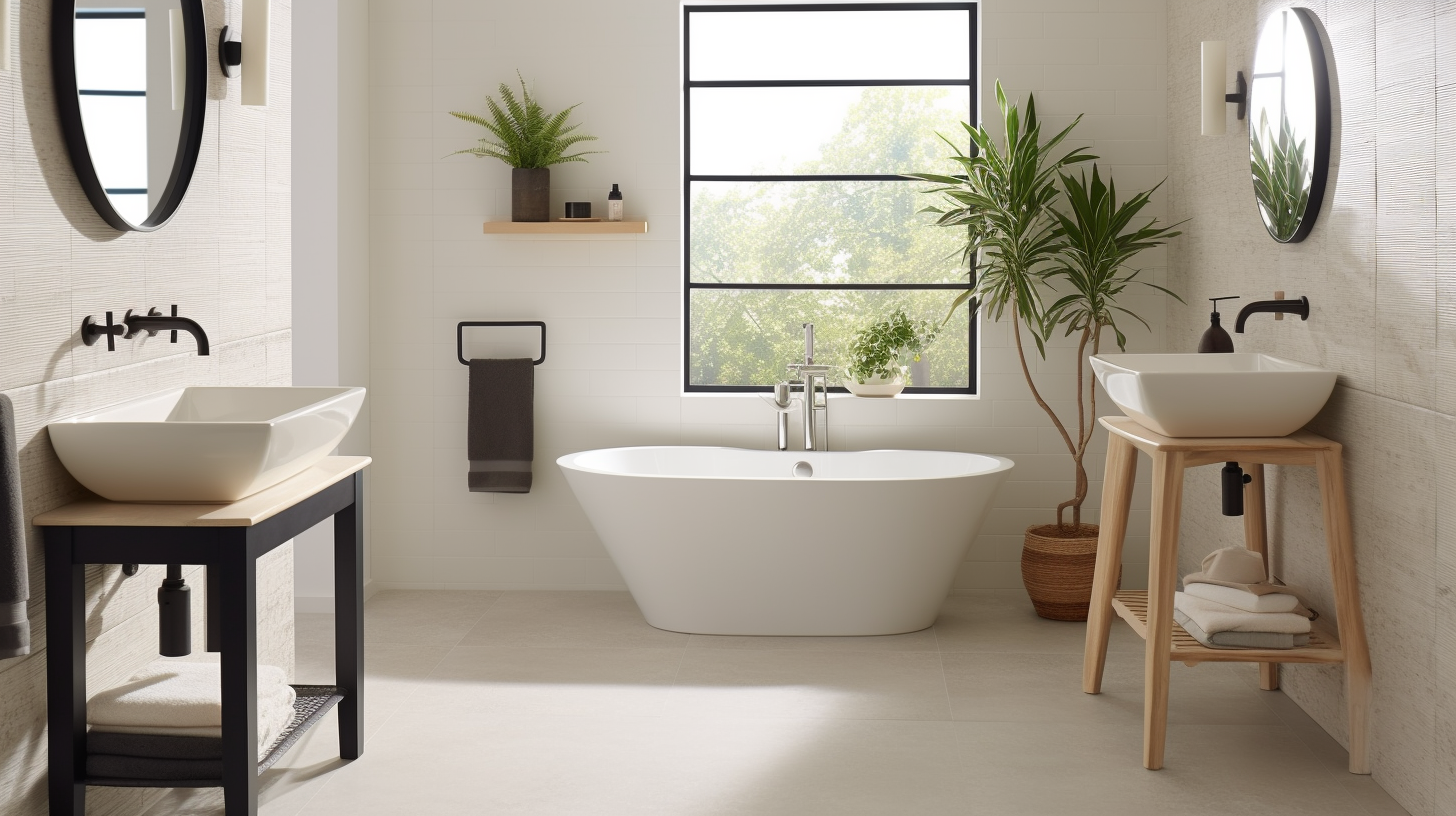
Various bathroom sink types, such as pedestal, wall-mounted, vessel, and undermount sinks, offer diverse design and functionality options to suit individual remodeling preferences.
Wall mounted sinks are an excellent choice for minimalistic or small bathroom spaces as they are fixed directly to the wall without occupying floor space.
Pedestal options provide a classic look with their standalone structure and can be found in various designs to complement traditional or contemporary décor.
In contrast, vessel sinks feature a basin that sits on top of the countertop surface, creating a visually striking focal point in any bathroom design.
Undermount sinks are installed beneath the countertop surface for a seamless look that is both modern and easy to clean.
Choosing among these different sink types may seem challenging; however, understanding each one’s unique characteristics will greatly assist homeowners in making an informed decision based on their specific needs and style preferences.
In the following section, we will explore the pros and cons of each sink type to facilitate an informed decision-making process for your remodel endeavor.
Pros and Cons of Each Sink Type

Evaluating the advantages and disadvantages of each sink type is crucial for determining the most suitable option in a remodeling project. The different installation methods, as well as sink maintenance requirements, can greatly influence a homeowner’s decision when selecting the ideal bathroom sink.
- Pedestal sinks offer elegance and simplicity in design but may lack storage space and require more effort during installation.
- Vessel sinks provide a bold visual statement but may necessitate additional counter space and specialized faucets, resulting in higher costs.
- Undermount sinks deliver seamless integration with countertops, making them easier to clean; however, they might not be compatible with all countertop materials due to their installation method.
- Wall-mounted sinks save floor space and facilitate easy cleaning underneath but require sturdy wall support and custom plumbing arrangements.
Incorporating these pros and cons into one’s deliberation process allows for informed decision-making that caters to both practicality and aesthetic preferences. Careful consideration of factors such as overall bathroom design, available space, budget constraints, and ease of use will enable homeowners to select the perfect bathroom sink that complements their remodeled sanctuary seamlessly while satisfying their innate desire for innovation and functionality.
Factors to Consider When Choosing Your Sink
When selecting the appropriate sink for a bathroom remodel, several factors warrant careful consideration:
- Bathroom size and layout
- Budget constraints
- Personal style and preferences
A thorough evaluation of these elements will ensure that the chosen sink matches both functional requirements and aesthetic aspirations. Ultimately, this process facilitates a more satisfying and cohesive outcome for the remodeling project.
Bathroom Size and Layout
Taking into account the dimensions and configuration of your bathroom is akin to fitting a puzzle piece, ensuring that the chosen sink complements the overall space and design. Space optimization and storage solutions are crucial factors in tailoring your choice to your specific needs. When considering the size and layout of your bathroom, it is important to bear in mind three key aspects:
- Scale: The sink should be proportional to the room’s dimensions; a large, bulky sink will overwhelm a small bathroom while an undersized one may feel lost or insignificant in a spacious area.
- Functionality: Your choice should reflect how you intend to use the space; for example, if multiple family members share the same bathroom, consider installing double sinks or find creative ways of incorporating additional counter space.
- Placement: Think about where you want the sink within your layout – centered along a wall, mounted as part of a vanity unit, or installed as an island-style feature.
Considering these elements will ensure that your new sink not only elevates aesthetics but also offers practicality tailored specifically for you and your household. Moreover, contemplating your bathroom’s size and layout can help create innovative designs that redefine conventional bathrooms norms while meeting individual preferences seamlessly.
As you continue this remodeling journey, assessing financial constraints becomes equally vital in making informed decisions that cater to both form and function without compromising on quality or style – which leads us into our next topic: budget considerations during this process.
Budget
Establishing a budget for a sink replacement or upgrade project is crucial to ensure that the desired outcome is achieved without compromising on quality, aesthetics, or functionality. A well-planned financial allocation allows homeowners to explore various options available in the market and make informed decisions based on their specific needs and preferences. Budget-friendly options can be found by researching different materials, brands, and designs while keeping an eye out for discounts and promotions. Additionally, saving on installation costs can be achieved by comparing quotes from multiple professionals or even considering a do-it-yourself approach if one possesses the necessary skills.
When determining a budget for bathroom sink renovation projects, it is essential to consider not only the initial cost of purchasing the sink but also any additional expenses related to plumbing adjustments, cabinetry alterations, or countertop modifications. These factors may impact the overall cost of the project significantly; therefore, they must be considered during the planning stage.
Moreover, investing in energy-efficient faucets and fixtures could result in long-term savings on water bills and contribute towards environmental sustainability. Taking these aspects into account will ensure that homeowners can select sinks that meet their requirements while staying within their allocated funds.
In addition to budgetary considerations, personal style and preferences play a significant role in selecting an ideal bathroom sink for one’s remodel project.
Personal Style and Preferences
Having established the significance of budget considerations in choosing the appropriate bathroom sink, it is essential to address personal style and preferences as a crucial factor in making an informed decision. The ideal sink should not only cater to one’s financial constraints but also reflect their personality and aesthetic inclinations.
Consequently, examining various sink designs, shapes, sizes, and colors becomes imperative for achieving a harmonious balance between practicality and visual appeal. The incorporation of sink maintenance as well as color coordination into the decision-making process is highly recommended. A low-maintenance sink material can save time and effort while ensuring that the overall appearance remains pristine over time.
Additionally, selecting a color scheme that complements other elements in the bathroom such as tiles, countertops, or fixtures contributes to creating a cohesive design. Furthermore, considering innovative features like built-in storage or unique faucet designs adds an element of modernity to the space.
With these aspects taken into account alongside personal style preferences, homeowners can successfully choose a suitable bathroom sink that caters to both functional requirements and aesthetic desires. In light of this discussion on personal style considerations, it is vital to turn attention towards materials and durability for further insight into selecting an apt bathroom sink for remodeling projects.
Materials and Durability
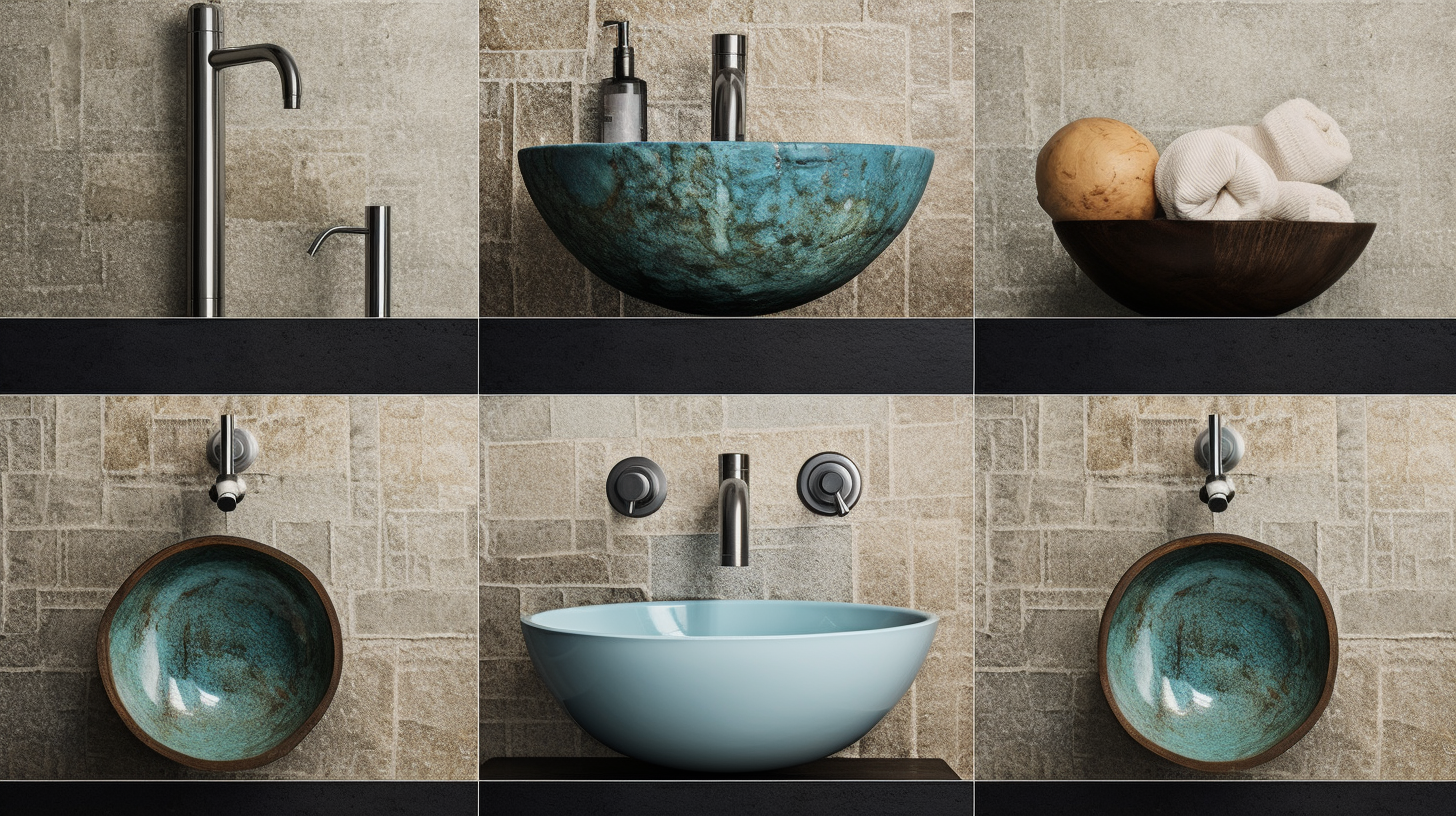
When selecting the optimal sink for a bathroom remodel, it is crucial to consider the various materials available and their respective durability.
Ceramic sinks, glass sinks, stone sinks, and metal sinks are all options that offer unique advantages and disadvantages in terms of aesthetics, functionality, and longevity.
By examining these key factors in relation to individual preferences and needs, one can make an informed decision on which material will best suit their remodeling project.
Ceramic Sinks
Ceramic sinks, often lauded for their durability and timeless appeal, can be likened to a classic piece of literature that withstands the test of time and remains relevant amidst ever-changing design trends. This material is revered for its resistance to chipping, staining, and fading when regularly maintained through proper ceramic care tips. The non-porous surface of ceramics makes them highly resistant to bacteria growth, promoting hygiene within the bathroom environment.
Furthermore, unique designs are easily achievable with ceramic sinks as they can be crafted into various shapes and sizes; this versatility allows homeowners to choose a sink that complements both traditional and contemporary interior themes.
Although ceramic sinks come with multiple benefits such as resilience and adaptability in design aesthetics, it is crucial to consider the installation process and weight factor associated with the chosen sink. Properly installed ceramic sinks provide excellent support for heavy usage over an extended period; however, inadequate installation may lead to potential damage or even breakage due to their substantial weight compared to alternative materials like glass.
As one explores options beyond ceramics in pursuit of innovative ideas for bathroom remodeling projects, glass sinks emerge as another viable choice known for their modern appearance and ability to reflect light elegantly within any space.
Glass Sinks
As an alternative to traditional ceramic options, glass sinks offer a striking and innovative approach in bathroom design, boasting not only a visually appealing aesthetic but also the ability to enhance the overall ambiance of a space through their light-reflecting properties. These sinks are available in various shapes, sizes, and colors which allows homeowners to create a unique focal point within their bathroom. Moreover, glass sinks can be customized with intricate patterns or textures that elevate the visual appeal of the space.
- Glass sink maintenance: Despite their delicate appearance, glass sinks are relatively easy to maintain as they are resistant to stains and scratches. Regular cleaning with mild soap and water is sufficient for maintaining its pristine condition.
- Unique designs: The versatility of glass as a material enables manufacturers to produce one-of-a-kind designs that range from simple transparent basins to elaborate sculpted pieces that serve both functional and decorative purposes.
- Light-enhancing qualities: The translucent nature of glass allows these sinks to play with light in interesting ways—by reflecting it off surfaces or even dispersing it throughout the room—creating an enchanting atmosphere.
In conclusion, incorporating a glass sink into one’s bathroom remodel offers an opportunity for creativity while providing practical benefits such as low-maintenance upkeep and appealing aesthetics. For those seeking an even more natural look in their bathroom design, stone sinks offer a distinct option worth consideration.
Stone Sinks
Stone sinks, characterized by their organic and rustic appeal, present a compelling option for homeowners seeking an earthy touch in their bathroom design, with the juxtaposition of rough textures and smooth surfaces creating an undeniably striking aesthetic.
These sinks are available in a variety of materials such as granite, marble, travertine, and onyx – each offering its own set of unique designs and colors. The inherent variation within stone ensures that no two sinks will be identical, providing homeowners with a truly individualized statement piece.
However, it is important to note that stone maintenance can be more involved than other materials; regular sealing is often necessary to prevent stains and maintain the sink’s natural beauty.
In addition to their visual allure, stone sinks also offer practical benefits such as durability and heat resistance. Furthermore, they can be easily integrated into various design styles ranging from traditional to modern or eclectic bathrooms.
Homeowners should consider the specific needs of their bathroom space when selecting a stone sink; factors such as size constraints or accessibility requirements may impact which type of installation method is most appropriate (e.g., undermount versus vessel).
As one transitions into exploring different material options beyond stone sinks – including metal sinks – it becomes increasingly important to weigh the balance between aesthetics and functionality in order to achieve a cohesive bathroom design that meets both personal tastes and practical needs.
Metal Sinks
Metal sinks offer a distinct alternative to stone varieties, boasting a sleek and contemporary appeal that effortlessly complements a wide array of interior design styles. Constructed from materials such as stainless steel, copper, brass, or even bronze, metal sinks not only provide an aesthetically pleasing focal point but also bring durability and longevity to the bathroom space.
Metal sink maintenance is relatively simple compared to other materials; for instance, stainless steel is known for its resistance to stains and scratches while requiring minimal upkeep. Additionally, unique metal finishes can be applied to these sinks in order to further enhance their visual impact and create a truly one-of-a-kind design element within the bathroom.
When considering a metal sink for your remodel project, it is important to weigh the pros and cons of each material type as well as consider the overall style you wish to achieve within the space. For example, copper sinks are renowned for their natural antibacterial properties and ability to develop a beautiful patina over time; however, they may require more upkeep than stainless steel counterparts. Similarly, brass or bronze options can add warmth and richness but may demand additional attention when it comes to cleaning and polishing.
Ultimately, selecting the appropriate metal sink will depend on personal preferences regarding aesthetics alongside factors such as ease of maintenance and desired functionality. Having chosen your ideal sink material and finish with careful consideration will pave the way for selecting the perfect faucet that seamlessly blends form with function in your newly remodeled bathroom sanctuary.
Selecting the Perfect Faucet

Selecting the perfect faucet plays a crucial role in complementing the overall design and functionality of a bathroom sink, ensuring an aesthetically pleasing and efficient remodel. When choosing a faucet, homeowners should consider various factors such as style preferences, installation options, and budget constraints.
Faucet finishes and innovative designs can significantly impact the final appearance of a bathroom remodel while also contributing to its practicality.
Emphasize on the importance of selecting the appropriate finish:
- Classic finishes like chrome or brushed nickel offer timeless appeal for traditional bathrooms
- Matte black or gold finishes provide a contemporary touch for modern bathrooms
Focus on innovative designs that cater to specific needs:
- Wall-mounted faucets save countertop space
- Waterfall spout creates a serene atmosphere through its gentle flow
Consider technological advancements in faucets:
- Touchless faucets minimize water waste and promote hygiene
- LED light indicators aid in regulating water temperature
Homeowners must evaluate their personal requirements when choosing the perfect faucet; this includes considering ease of use, durability, and maintenance. It is essential to select materials that match the metal sinks discussed in the previous subtopic to ensure harmony within the bathroom’s design.
Combining these elements with an eye-catching look will result in an appealing yet functional addition to any bathroom remodel project. By prioritizing innovation alongside aesthetics, homeowners can invest in a faucet that meets their unique preferences while also enhancing their daily routines within this important space.
Frequently Asked Questions
How do I determine the appropriate sink size for my bathroom space?
Akin to selecting a fine wine, determining the appropriate sink size requires consideration of sink materials and mounting options. Researching various configurations enhances spatial efficiency while satiating one’s desire for innovation.
Can I install a bathroom sink by myself or should I hire a professional?
DIY challenges in bathroom sink installation may arise; however, professional benefits include expertise and efficiency. Weighing these factors, one must assess personal skills and project complexity before deciding on self-installation or hiring a specialist.
How do I maintain and clean my bathroom sink to ensure longevity and hygiene?
To ensure longevity and hygiene of bathroom sinks, understanding sink materials is crucial for effective DIY cleaning. Utilize appropriate cleansers and techniques to protect surfaces, prevent buildup, and promote innovative sanitation solutions.
What are some eco-friendly and water-saving options for bathroom sinks?
Eco materials selection and graywater systems offer innovative, eco-friendly solutions for bathroom sinks. These options reduce water consumption, promote sustainability, and provide practical enhancements for a modern, environmentally-conscious household.
How do I choose a bathroom sink that complements the overall design and style of my bathroom?
Selecting a bathroom sink involves considering material options and sink functionality, while ensuring harmony with the overall design. Evaluating factors such as aesthetics, durability, and maintenance requirements enables an innovative yet cohesive result.
Conclusion
In conclusion, the process of selecting an ideal bathroom sink for a remodeling project can be likened to piecing together a puzzle. Each component, from the type and material of the sink to the accompanying faucet, must be carefully considered in order to create a harmonious and functional design.
Ultimately, by diligently weighing the pros and cons of each option and taking into account various factors such as durability, aesthetics, and available space, one can successfully assemble this intricate puzzle and achieve a bathroom remodel that is both visually appealing and practical in daily use.