In the realm of home improvement and interior design, the importance of selecting the perfect toilet is often underestimated. However, this essential fixture plays a crucial role in everyday life, contributing to one’s comfort, convenience, and overall satisfaction with their living space.
As innovations in technology continue to revolutionize bathroom amenities, an array of options now exist for consumers seeking to invest in a high-quality toilet that not only meets their individual needs and preferences but also demonstrates a commitment to sustainability and water efficiency.
This comprehensive guide aims to assist homeowners in navigating the complex world of modern toilets by providing practical advice on various types of toilets available on the market, flushing systems, design elements, installation processes, and maintenance considerations.
Embarking on the quest for the ideal toilet necessitates a thorough understanding of both personal requirements as well as industry trends. Factors such as household size and usage patterns can influence decisions regarding flushing mechanism types or bowl styles while awareness of technological advancements allows for informed selection based on efficiency standards or smart features.
Furthermore, aesthetic aspects should not be overlooked; choosing a toilet that complements existing décor or contributes to a cohesive design vision ensures seamless integration into any bathroom environment.
By examining each aspect meticulously within this ultimate guide to selecting the perfect toilet, homeowners can confidently make an educated decision that will enhance daily routines while reflecting contemporary sensibilities surrounding innovation and environmental responsibility.
Transform Your Bathroom with Stunning Shower Designs
Key Takeaways
- Selecting the perfect toilet is often underestimated in home improvement and interior design, but innovations in technology provide high-quality and sustainable options.
- Evaluating individual requirements and preferences is crucial when selecting an ideal toilet, and space and budget considerations are important factors.
- Types of toilets vary, including traditional floor-mounted, contemporary wall-mounted and corner toilets, and one-piece and two-piece models.
- Flushing systems range from traditional gravity-fed to pressure-assisted options, with dual flush options offering water savings and innovative technologies including touchless sensors and remote-controlled operation. Aesthetics also play a role, with considerations such as ergonomic seating, wall-mounted designs, integrated bidet systems, elongated bowls, and comfort height toilets for seniors or individuals with mobility issues. Proper installation and maintenance is essential for optimal performance and longevity, with regular inspection and addressing of common issues necessary for environmental sustainability and cost-effective usage.
Understanding Your Needs and Preferences

Evaluating individual requirements and predilections is crucial in the process of selecting an ideal toilet that caters to both functionality and personal taste. Space constraints and budget considerations are two key factors that must be taken into account when making this decision.
For instance, one should assess the available bathroom space for the installation of a toilet as it may dictate the type of unit suitable for their needs. In addition, establishing a reasonable budget can help narrow down options by eliminating models beyond financial reach, thus facilitating a more efficient selection process.
Moreover, understanding one’s preferences in terms of design, flush mechanism, water efficiency, and comfort features also plays a significant role in determining the perfect choice. Not only do these factors influence visual appeal but also contribute to long-term satisfaction with daily use.
By carefully considering these aspects alongside practical limitations such as space constraints and budget considerations, individuals can make informed decisions towards acquiring toilets that best align with their unique needs. This comprehensive approach lays the groundwork for exploring various types of toilets available in the market today, ensuring that every consumer finds their perfect match.
Types of Toilets

Delving into the realm of lavatory options, one must consider the various types of toilets available to suit individual preferences and requirements.
Traditional floor-mounted toilets are the most common type found in households, but there has been a surge of interest in more contemporary designs such as wall mounted toilets and corner toilets. Wall mounted toilets offer a sleek and modern appearance while also providing additional space-saving benefits due to their compact nature and lack of visible plumbing. Corner toilets, on the other hand, capitalize on utilizing underused areas within bathrooms by fitting snugly into corners, making them an ideal choice for small or uniquely shaped spaces.
Another consideration when selecting the perfect toilet is whether a one-piece or two-piece design is more suitable. One-piece models combine both the bowl and tank seamlessly into a singular unit, offering an elegant aesthetic with easier cleaning due to fewer crevices where dirt can accumulate. Two-piece models have separate bowl and tank components that are attached during installation; these tend to be more affordable but may require additional maintenance over time.
Ultimately, it is crucial to weigh factors such as style preferences, spatial constraints, budget limitations, and desired functionality when determining which type of toilet is best suited for one’s needs.
With this foundation established, it becomes essential to examine flushing systems and water efficiency in order to make a well-rounded decision.
Flushing Systems and Water Efficiency
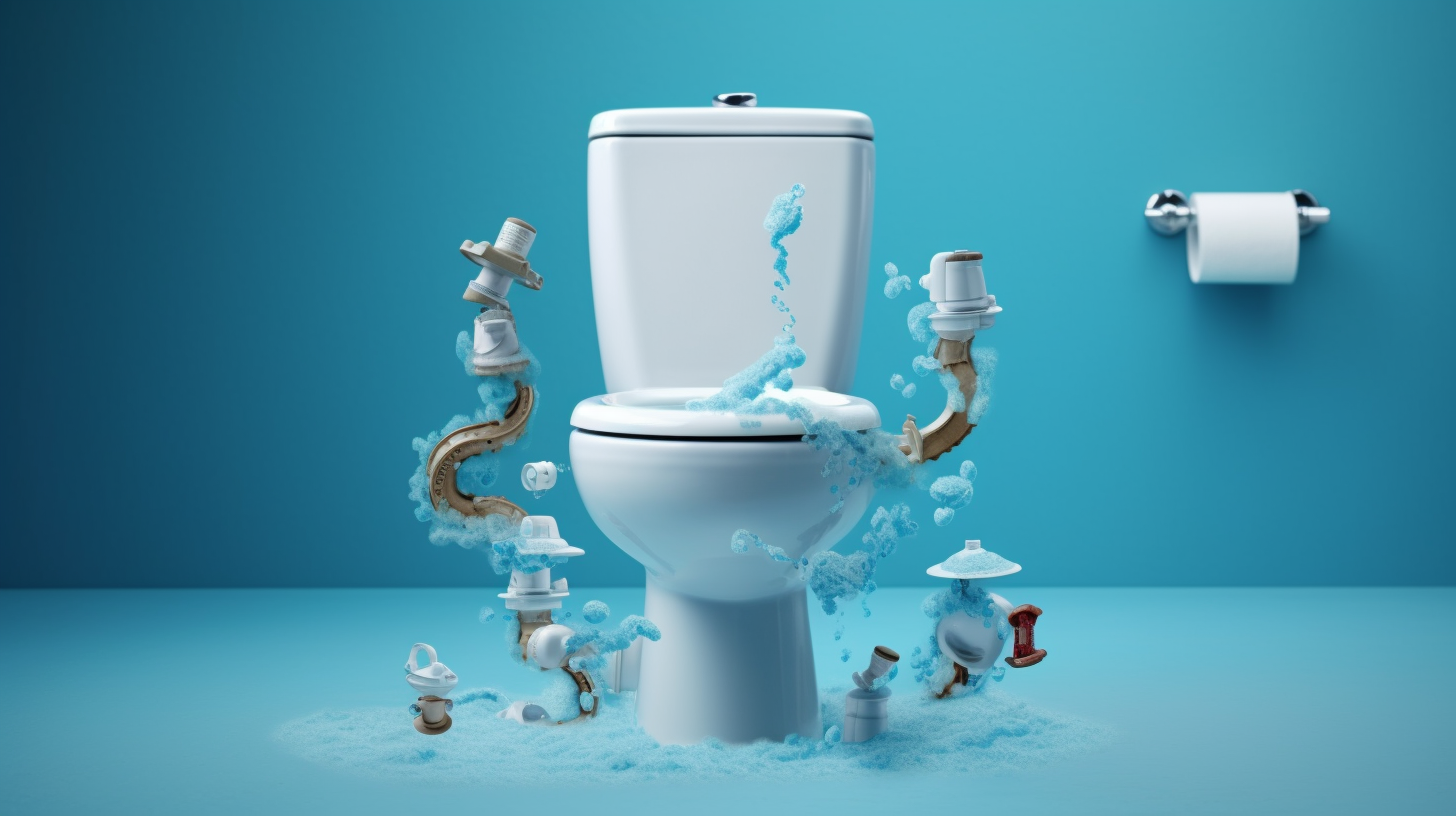
In the realm of flushing systems and water efficiency, it is imperative to consider both environmental impact and personal preferences to make an informed decision when choosing a suitable toilet.
A variety of flushing systems exist on the market, ranging from traditional gravity-fed models to more advanced pressure-assisted options that offer powerful flushes while conserving water. Dual flush options are also increasingly popular, allowing users to select between a full or partial flush depending on the type and volume of waste, resulting in significant water savings over time.
When evaluating these various options, factors such as local water costs, household usage patterns, and sustainability goals should be taken into account.
To further enhance the effectiveness of a toilet’s flushing system, innovative technologies such as touchless sensors or even remote-controlled operation can be incorporated for added convenience and hygiene.
In addition to functionality considerations, one must not neglect aspects related to design and comfort. The visual appeal of a toilet might seem trivial; however, given its prominence within bathrooms across homes worldwide it is essential for homeowners who desire harmony in their living spaces.
Moving forward with this comprehensive guide will explore how different design elements can affect user comfort levels while simultaneously complementing existing interior aesthetics seamlessly.
Design and Comfort
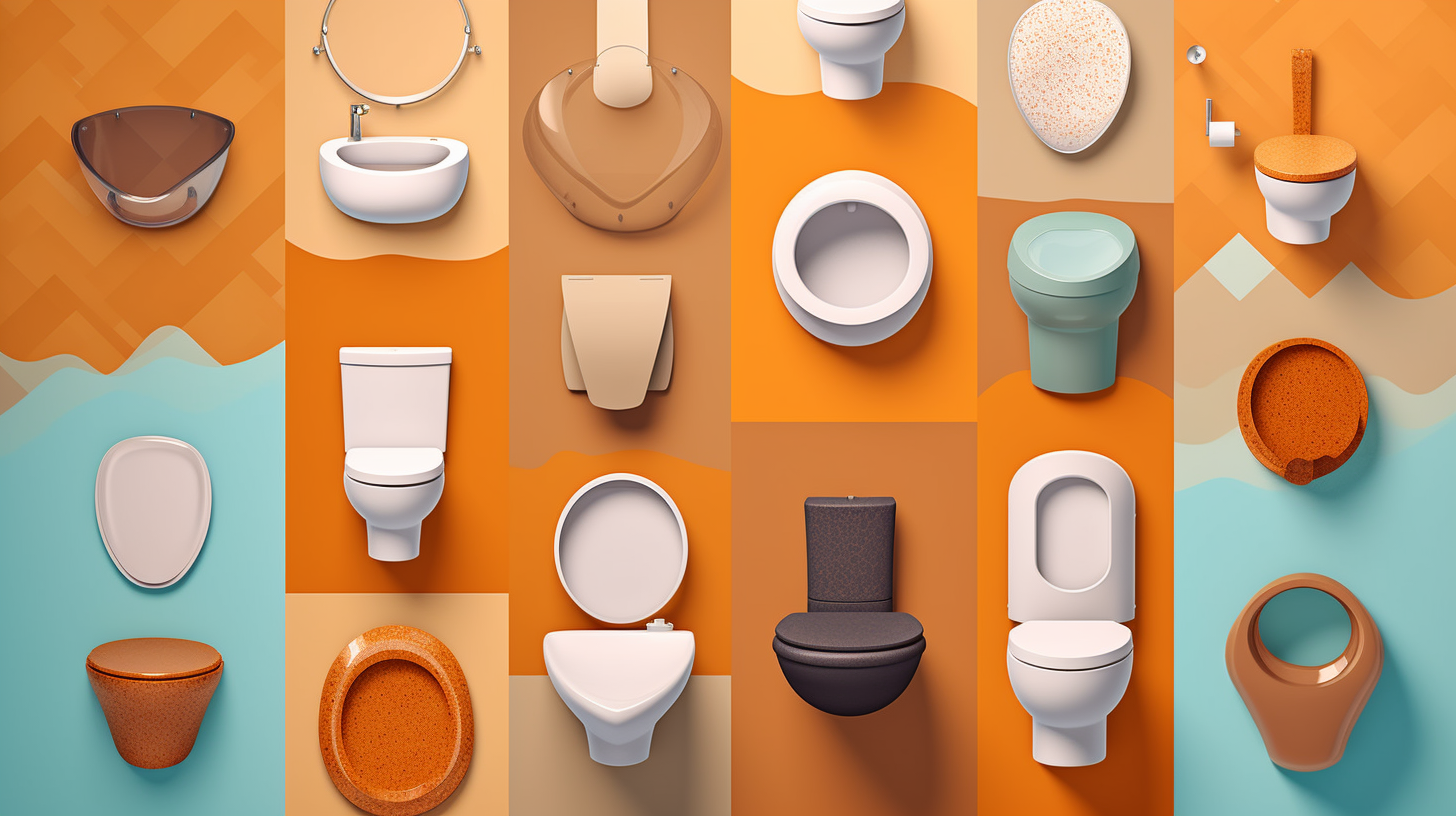
Navigating the intricate realm of design and comfort in toilets can be likened to traversing a labyrinth, where each turn reveals new possibilities for aesthetics, functionality, and user satisfaction. Toilet aesthetics have evolved over time with manufacturers incorporating contemporary designs that cater to various preferences while ensuring a seamless integration into diverse bathroom decors. Ergonomic seating is now a critical consideration as it impacts user experience by providing optimal support and comfort during use.
Toilet Aesthetics:
- Wall-mounted toilets: These sleek designs save space and create an illusion of openness in smaller bathrooms.
- Integrated bidet systems: Combining the functions of a toilet and bidet provides a modern, streamlined appearance.
Ergonomic Seating:
- Elongated bowls: This shape offers increased thigh support for enhanced comfort during use.
- Comfort height toilets: With taller bowl heights (17-19 inches), these models are ideal for seniors or individuals with mobility issues.
An essential aspect to consider when selecting the perfect toilet is understanding how its design will affect installation requirements and future maintenance needs. The subsequent section delves into these crucial aspects, equipping readers with valuable insights on making informed decisions regarding their next toilet purchase.
Installation and Maintenance
@ Midjourney AI Image Prompt: /imagine prompt:Create an image featuring various tools, a toilet, a plumber’s belt, and a manual, representing the installation and maintenance aspect of selecting the perfect toilet. –v 5.1 –ar 16:9
When considering the installation and maintenance of a toilet, factors such as do-it-yourself versus professional installation, proper cleaning and care procedures, and troubleshooting common issues are essential elements to examine.
Choosing between self-installation or hiring a professional can impact the overall functionality and longevity of the toilet system.
Additionally, understanding appropriate cleaning methods and addressing typical problems efficiently will contribute to maintaining optimal performance of the unit over time.
DIY vs. professional installation
Weighing the pros and cons of DIY versus professional installation can greatly impact the overall satisfaction with the chosen toilet, as well as influence cost, efficiency, and longevity. Toilet budgeting is a crucial aspect when deciding between these two options, as DIY installation can save on labor costs but may require additional tools or materials. Space considerations also play a significant role in determining whether to opt for DIY or professional services; tight spaces or unique layouts might necessitate hiring an expert who possesses the specialized skills needed to ensure proper installation.
- Cost: DIY installations can potentially save money on labor expenses; however, this option may involve purchasing specific tools or equipment that could offset those savings.
- Expertise: Professional installers possess the knowledge and experience required to navigate complex plumbing systems and ensure optimal functionality.
- Time: Depending on one’s level of expertise, a DIY project might take longer than expected, whereas professionals typically complete installations more efficiently.
Ultimately, selecting between DIY and professional installation hinges on individual factors such as budget constraints, spatial limitations, and personal comfort with plumbing projects. By carefully considering these elements before proceeding with either option, homeowners will be better equipped to make informed decisions that maximize their investment in their new toilet system.
To further enhance this investment’s lifespan and performance, it is essential to transition into understanding proper cleaning and care techniques for maintaining the chosen toilet system’s pristine condition over time.
Proper cleaning and care
Maintaining the pristine condition of a chosen toilet system involves diligent adherence to proper cleaning and care techniques, which serve as essential components in preserving its longevity and performance. Toilet sanitization is crucial in maintaining a hygienic environment, while deodorizing methods help keep the bathroom smelling fresh. To ensure optimal cleanliness, it is important to use appropriate cleaning products and tools designed specifically for toilets. The following table provides an overview of recommended cleaning practices and their respective benefits:
| Cleaning Practices | Benefits |
|---|---|
| Regularly scrubbing with a toilet brush | Removes stains and prevents buildup |
| Using disinfectant cleaners | Kills germs and bacteria |
| Applying deodorizing methods | Neutralizes unpleasant odors |
In addition to adhering to these cleaning practices, it is vital to inspect the toilet system regularly for any signs of wear or damage that may require repair or replacement. This proactive approach can prevent minor issues from escalating into more significant problems that could compromise the functionality of the toilet system. Furthermore, understanding how various components work together within the system will enable users to identify potential issues early on, allowing them to address concerns promptly before they become problematic.
As individuals become well-versed in proper cleaning and care techniques for their chosen toilet systems, they will be better equipped to maintain optimal performance levels throughout the lifespan of these essential fixtures. With this knowledge in hand, users can now transition into troubleshooting common issues that may arise during regular usage.
Troubleshooting common issues
Addressing common issues that may arise in toilet systems requires a keen understanding of troubleshooting techniques to ensure the swift resolution of problems and maintain optimal functionality. Clog prevention is an essential aspect of maintaining the efficiency and effectiveness of a toilet system, as clogs can lead to unpleasant odors, slow flushing times, or even overflow. To prevent such occurrences, users should be mindful of disposing only appropriate waste products in the toilet and utilizing a plunger or drain snake for minor blockages.
Furthermore, incorporating routine maintenance practices such as inspecting internal components like flappers, fill valves, and flush valves for wear or damage contributes significantly to the longevity and performance of the toilet system.
Leak detection is another crucial factor when addressing common issues with toilets since undetected leaks can result in water wastage, high utility bills, and potential structural damage to floors or walls. Early identification of leaks involves regularly checking for signs such as dampness around the base of the toilet bowl, continuously running water inside the tank after flushing has stopped or unusual sounds emanating from plumbing fixtures.
Utilizing dye tablets or food coloring in the tank can also aid in identifying silent leaks between flushes by observing whether any color seeps into the bowl without manually initiating a flush cycle. In cases where leakage is detected, promptly addressing it by tightening loose connections or replacing faulty components ensures that both environmental sustainability goals are achieved through reducing water consumption while simultaneously promoting cost-effective usage patterns among households seeking innovative solutions for their sanitation needs.
Frequently Asked Questions
What are the hygienic features to consider when selecting a toilet?
When considering hygienic features in toilet selection, prioritize hygienic flushing systems and antimicrobial surfaces. These innovations ensure efficient waste removal and minimize bacterial growth, promoting a sanitary environment within restrooms.
How do I choose a toilet that is suitable for people with disabilities or mobility issues?
Approximately 15% of the global population experiences disability. To accommodate these individuals, consider toilets with assistive accessories and appropriate grab bar placement, ensuring both safety and independence during use.
What are some eco-friendly options for toilets and how do they impact the environment?
Eco-friendly toilet options incorporate water-saving tips and dual flush benefits, reducing water consumption significantly. These sustainable alternatives aid in environmental preservation by minimizing wastewater discharge and conserving valuable resources.
How do I determine the appropriate toilet size and height for my bathroom space?
Selecting a toilet size and height is akin to solving a puzzle; consider toilet aesthetics and space-saving designs. Measure available bathroom space, prioritize comfort, and explore innovative options for optimal functionality.
Are there any smart toilet options available and what are their benefits?
Indeed, smart toilet options exist, offering innovative features such as smart bidets and heated seats. These advanced functions provide enhanced hygiene, comfort, and convenience, catering to users’ desires for modern amenities in bathroom spaces.
Conclusion
In conclusion, the quest for the perfect toilet necessitates a comprehensive understanding of individual requirements and preferences. The cornucopia of options available in terms of toilet types, flushing systems, design features and ease of installation demand careful consideration, ensuring a well-informed decision is made.
Ultimately, selecting an ideal toilet is akin to fitting the final piece in the puzzle that is a comfortable and efficient bathroom environment. By thoroughly evaluating each aspect listed in this guide, one can be confident in making a wise investment for their household’s sanitation needs.