The process of installing a bathroom vanity requires careful planning, attention to detail, and an understanding of the necessary tools and materials. A well-executed installation can transform the aesthetics and functionality of the bathroom space, resulting in an innovative environment that is both visually appealing and practical for daily use.
This article aims to provide essential tips for carrying out such an installation by discussing crucial aspects such as choosing the ideal location and size, gathering appropriate tools, removing pre-existing vanities, installing new ones, and adding finishing touches while addressing potential troubleshooting issues.
Innovation plays a vital role in elevating mundane tasks to extraordinary experiences; hence it is important to approach this task with a creative mindset. The subsequent sections of this article will not only delve into the technicalities required for successful completion but also emphasize methods that enable homeowners to channel their creativity effectively.
By acquainting oneself with these essential tips, one can confidently embark on a journey towards transforming their bathroom into a contemporary sanctuary replete with a stylish vanity that caters to their unique preferences and requirements.
Start your dream bathroom remodel today
Key Takeaways
- Careful planning and attention to detail are necessary for a successful bathroom vanity installation.
- Selecting the ideal location and size, as well as considering space-saving solutions and accessibility, are crucial factors to consider.
- Proper tool selection and material durability are important for achieving a long-lasting result.
- Precise fitting of the countertop and sink, as well as ensuring levelness and proper alignment, are key aspects of the installation process.
Choose the Perfect Location and Vanity Size
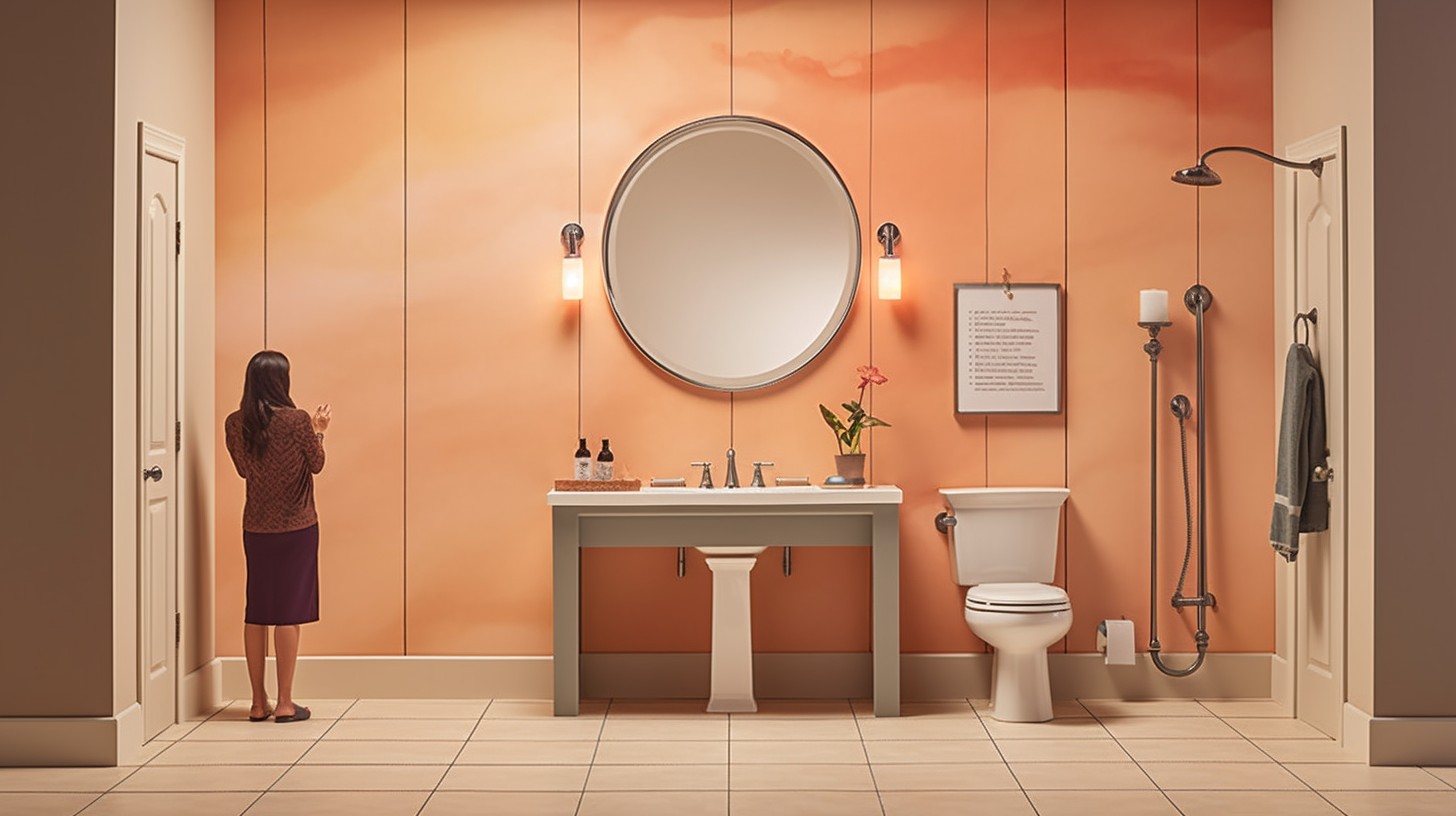
Selecting an optimal location and appropriate size for the bathroom vanity necessitates careful consideration of the existing space, functionality requirements, and design aesthetics.
Vanity style trends continuously evolve, offering a plethora of options to choose from; however, it is crucial to select one that complements the overall design theme while providing ample storage and counter space. Space-saving solutions such as wall-mounted or corner vanities should be taken into account for smaller bathrooms with limited square footage. Furthermore, accessibility and ease of use must be considered when determining the ideal vanity height.
When choosing a suitable location for the bathroom vanity, it is advisable to keep in mind plumbing connections and electrical outlets’ proximity. Additionally, adequate lighting should be ensured around the vanity area for convenience during grooming activities.
Once an appropriate location has been identified and dimensions determined based on space availability and user preferences, attention can then turn toward gathering necessary tools and materials required for installation.
This preparation will facilitate a seamless transition into subsequent stages of the project.
Gather the Necessary Tools and Materials

Before embarking on the project, it is crucial to have all the required tools and materials readily available for a smooth and efficient installation process. Proper tool selection can greatly impact the ease of installation and overall success of the project, while material durability ensures a long-lasting bathroom vanity.
Choosing the Perfect Countertop Material for Your Bathroom – countertop
To create imagery in the audience’s mind, consider having these essential items on hand:
- High-quality power drill with various drill bits
- Tape measure and level for accurate placement and alignment
- Adjustable wrenches or pliers for securing connections
- Silicone sealant or caulk for sealing joints
With these tools and materials at their disposal, individuals can confidently approach the task of installing a bathroom vanity. It is important to acknowledge that preparation plays a significant role in achieving desirable results. With everything ready at hand, one can focus on executing each step with precision rather than scrambling to find necessary equipment as they proceed. This meticulous preparation will not only save time but also minimize errors during installation.
Now that all required tools and materials are assembled, it is time to assess whether removing an existing vanity is necessary before proceeding with the new installation.
Remove the Old Vanity (if applicable)

In cases where an existing vanity needs to be removed, it is crucial to proceed with caution and ensure proper disconnection of plumbing fixtures to prevent potential damage or water leakage. Before beginning the process, it is essential to shut off the water supply and disconnect any electrical connections if applicable. It is then vital to carefully detach the sink from the countertop and remove any screws or fasteners securing the old vanity in place. Once these steps have been taken, gently lift and remove the old vanity from its position.
| Old Vanity Repurposing Ideas | Sustainable Disposal Options | Tips for Removing Old Vanities |
|---|---|---|
| Transform into a potting bench | Donate to a local charity | Use a utility knife to cut through caulk |
| Convert into a home bar | Recycle materials | Utilize a pry bar for leverage |
| Create additional storage | Dispose at a waste facility | Protect flooring with drop cloths |
| Design an outdoor workstation | Sell online | Have assistance for heavy lifting |
| Refashion as a mudroom bench | Offer on community boards | Always wear safety gear |
While repurposing an old vanity is both environmentally friendly and innovative, sustainable disposal options should also be considered. Some ideas include donating it to a local charity, recycling materials at designated facilities, selling online, or offering it on community boards. Regardless of whether one opts for repurposing or sustainable disposal methods, safely removing the old vanity remains paramount.
Having successfully removed the old bathroom vanity while considering ecological concerns like sustainability and repurposing solutions will pave the way towards preparing for installing your new bathroom vanity efficiently.
Install the New Bathroom Vanity
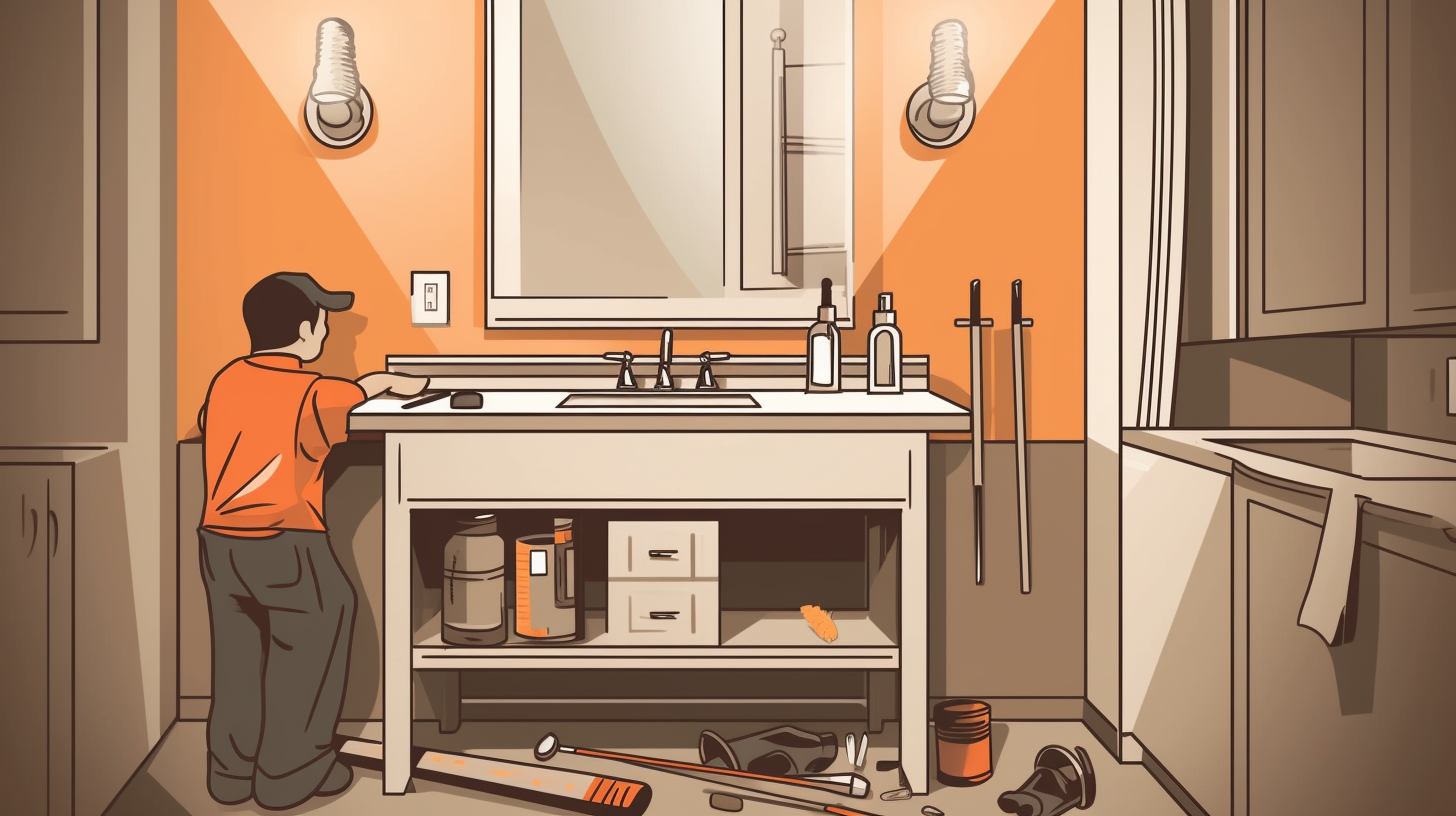
Embarking on the journey of incorporating a new vanity into your bathroom space requires careful attention to detail and precise execution, ultimately enhancing the overall aesthetics and functionality of this essential room. To ensure a seamless installation process, it is crucial to follow specific guidelines that address critical aspects such as measuring accurately, choosing appropriate materials, and selecting suitable lighting options. By adhering to these principles, one can create an inviting atmosphere in their bathroom while satisfying their subconscious desire for innovation.
- Measure Accurately: It is vital to measure your bathroom space correctly before purchasing a vanity. This includes taking note of available dimensions for width, depth, and height while also considering any potential obstructions such as doors or windows.
- Choose Appropriate Materials: Selecting materials that are resistant to moisture and humidity is key when installing a bathroom vanity. Opt for surfaces like quartz or granite for countertops as they have low porosity levels which help prevent water damage over time.
- Explore Vanity Lighting Options: Proper illumination plays an integral role in creating an inviting environment within your bathroom space. Consider various lighting options like wall sconces or pendant lights above the mirror to enhance visibility during daily tasks while adding visual interest.
Faucet installation tips should also be taken into account when setting up your new vanity unit as they play an essential role in maintaining its functionality over time. Ensure you select compatible fixtures with both the sink basin and countertop material chosen earlier in the process; additionally, confirm that all necessary plumbing connections are readily available within close proximity of the installation site.
With all elements successfully integrated into your design plan, you can now proceed with confidence towards finalizing those finishing touches and troubleshooting any unforeseen challenges that may arise during this exciting transformation project, knowing that you have thoroughly prepared and accounted for every detail to create a functional, visually appealing, and sustainable space that will serve its intended purpose and stand the test of time.
Finishing Touches and Troubleshooting
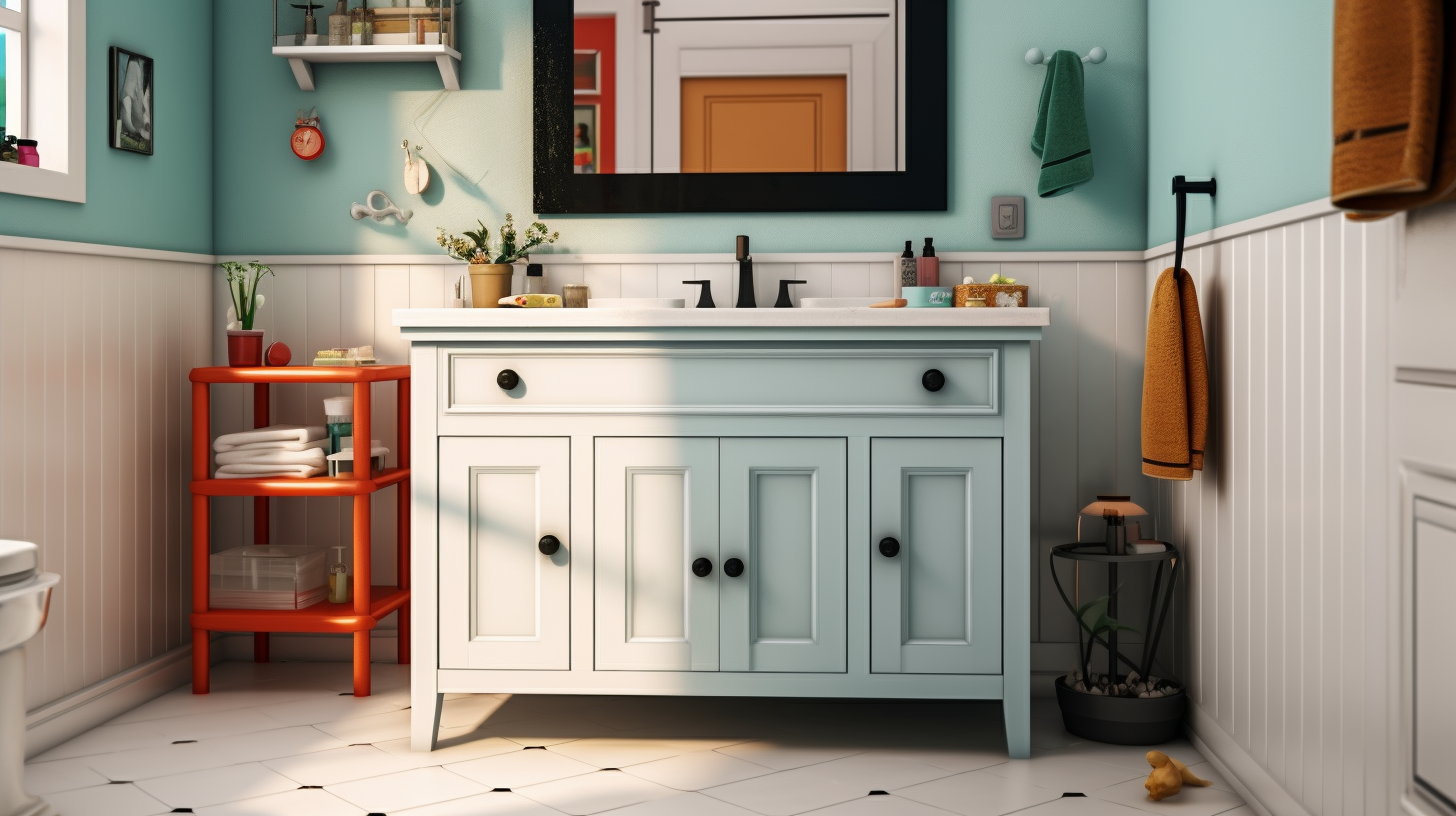
Upon successful installation of a bathroom vanity, attention must be directed towards implementing the finishing touches and addressing potential challenges.
This encompasses the precise fitting of the countertop and sink, ensuring a seamless and functional integration with the overall design.
Additionally, it is imperative to identify and rectify common issues or mistakes that may arise during this process to guarantee a polished outcome.
Installing the Countertop and Sink
Assembling the countertop and sink can be likened to putting together the final pieces of a puzzle, ensuring a harmonious blend of form and function in your new bathroom vanity. Sink selection plays a vital role in this process as it determines not only the overall aesthetics but also the practicality of use.
Various types of sinks are available, including undermount, drop-in, vessel, and integrated sinks; each offering unique advantages and design elements that cater to different preferences. Additionally, when choosing countertops for your bathroom vanity project, consider factors such as durability, maintenance requirements, water resistance properties, and visual appeal. Materials like granite or quartz provide long-lasting resilience with minimal countertop maintenance while offering an array of color options.
Installing the countertop involves careful placement on top of the base cabinet while ensuring levelness across its surface. Proper alignment is essential for preventing any issues with sink drainage or functionality later on. The attachment method will depend on both the material used for the countertop itself as well as any additional support brackets required by specific sink designs.
Once secured in place, proceed with installing your chosen sink according to manufacturer instructions; taking care to apply appropriate sealants where needed to prevent leaks at points of connection between sink components and plumbing fixtures.
With these critical steps completed successfully, you are now prepared to address common issues and mistakes that may arise during this home improvement project’s completion phase.
Addressing Common Issues and Mistakes
Navigating the complexities of addressing common issues and mistakes during a countertop and sink installation can be challenging, but with proper foresight and attention to detail, it is possible to achieve a successful outcome that enhances both the aesthetics and functionality of your new bathroom space.
Incorrect leveling and uneven spacing are two such issues that can mar an otherwise perfect installation. Ensuring the vanity base is level before securing it to the wall not only provides a solid foundation for your countertop but also prevents any misalignment or gaps between the wall and vanity top. Similarly, consistent spacing around all sides of the sink cutout is crucial for maintaining symmetry in design while also allowing for proper sealing.
To avoid these pitfalls, thorough planning prior to starting any work is essential. One should carefully measure all dimensions required for accurate placement of fixtures such as faucets or drains. This includes accounting for clearances around doors, windows, or other obstructions that may affect positioning. Careful consideration should be given to potential challenges that may arise due to unique features within the bathroom space such as sloping floors or irregularly shaped walls.
Establishing contingency plans in advance will help mitigate complications later on in the process. Furthermore, investing in high-quality materials like shims or brackets designed specifically for leveling purposes will ensure a more stable result than relying on makeshift solutions like folded cardboard or stacks of coins.
In conclusion, taking proactive steps towards identifying potential issues and preparing adequately can make all the difference when installing a bathroom vanity – ultimately leading to an end product that combines form with function seamlessly.
Frequently Asked Questions
What are some eco-friendly bathroom vanity materials and how can I incorporate them into my renovation project?
Eco-friendly countertops, such as those made from recycled glass or reclaimed wood, and sustainable faucets that conserve water are innovative options for incorporating environmentally responsible materials into a bathroom renovation project.
How can I maximize storage space in a small bathroom while still maintaining a stylish vanity design?
Coincidentally, small space solutions and stylish organization can coexist in bathroom design. Maximize storage by incorporating multifunctional features, wall-mounted cabinets, and tiered shelving while maintaining a visually appealing vanity area.
How do I choose the right vanity lighting to complement my bathroom design and ensure adequate illumination?
Vanity mirror placement and lighting fixtures selection are crucial to achieve optimal illumination and complement bathroom design. Consider layering lights, combining ambient, task, and accent lighting for innovative yet practical solutions.
What are the recommended maintenance tips for different vanity materials to ensure their longevity and keep them looking new?
Vanity upkeep hacks involve routine cleaning, avoiding harsh chemicals, and addressing minor damages promptly. Material durability comparison is crucial for selecting suitable surfaces that maintain aesthetics while ensuring longevity.
Are there any specific building codes or regulations that I should be aware of when installing a bathroom vanity in my area?
Remarkably, 48% of homeowners plan bathroom renovations. Familiarity with vanity height regulations and potential plumbing adjustments is crucial for compliance and innovation. Research local building codes to ensure a seamless installation experience.
Conclusion
In conclusion, the installation of a bathroom vanity requires careful planning and execution. Selecting an ideal location and size for the vanity is crucial to ensure optimal functionality and aesthetics. Equipped with the necessary tools and materials, one can efficiently remove an old vanity if needed, install a new one, and attend to any finishing touches or troubleshooting issues that may arise.
A noteworthy statistic reveals that bathroom renovations yield a 60% return on investment upon resale of a property (National Association of Realtors). This figure underscores the importance of undertaking such home improvement projects with precision and diligence.
An expertly installed bathroom vanity not only enhances personal satisfaction but also contributes significantly to property value enhancement.
